Transcript
Announcer:
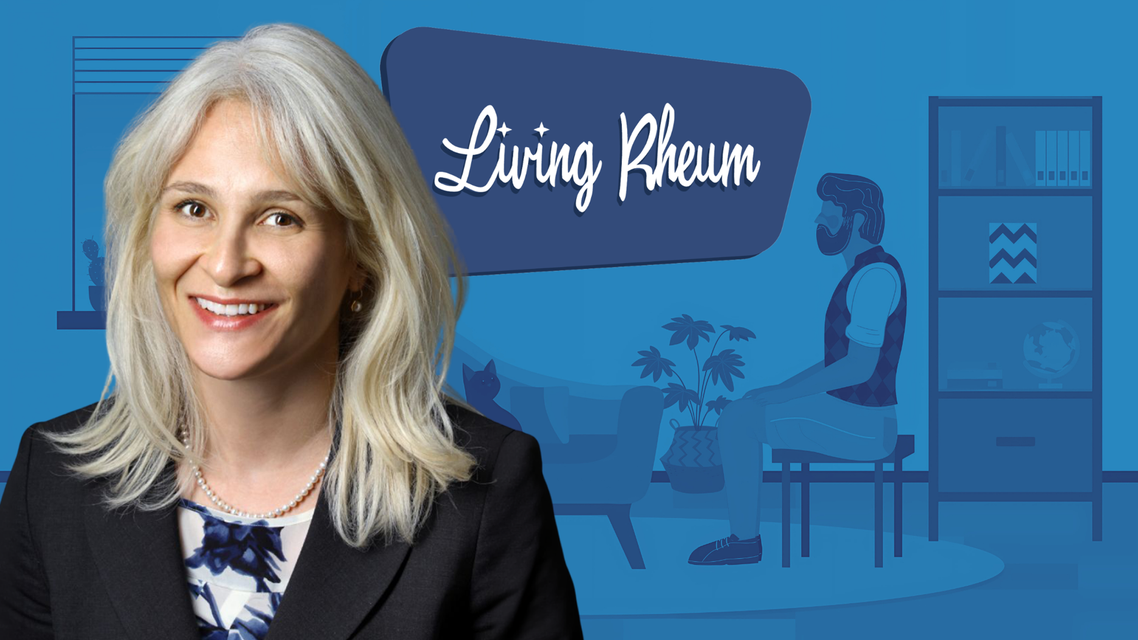
You’re listening to Living Rheum on ReachMD. On this episode, Dr. Esen Akpek will be discussing supportive and lifestyle strategies for managing dry eye in Sjögren’s disease. Dr. Akpek is Professor of Ophthalmology, Director of the Frances and C. Stephen Foster Center for Ocular Immunology and Inflammation, and Chief for the Division of Ocular Immunology at Duke University School of Medicine in Durham, North Carolina. Here she is now.
Dr. Akpek:
Maintaining optimal body hydration and following a balanced, nutrient-rich diet that includes plenty of essential fatty acids, particularly omega-3s, may be beneficial as part of a comprehensive approach to managing Sjogren's-related dry eye. Patients may also consider moderating natural diuretics such as caffeine and alcohol intake, as these may contribute to dehydration and worsen their symptoms.
Optimizing environmental conditions is equally important. Using humidifiers at home or in the workplace, avoiding direct air flow from fans or air conditioning vents, and taking regular breaks during prolonged gazing, such as screen use, reading, or driving can help minimize tear evaporation and ocular surface irritation.
Additionally, moisture chamber glasses may help reduce tear evaporation by creating a humid environment over the ocular surface. In selected patients, we sometimes use therapeutic contact lenses, including scleral lenses, and these may provide additional ocular surface protection and symptom relief.
These supportive measures should complement rather than replace appropriate ophthalmic evaluation and medical treatment, particularly in patients with moderate-to-severe disease with longer chronicity.
Announcer:
That was Dr. Esen Akpek talking about self-care measures for Sjögren's-related dry eye. To access this and other episodes in our series, visit Living Rheum on ReachMD.com, where you can Be Part of the Knowledge. Thanks for listening!


